
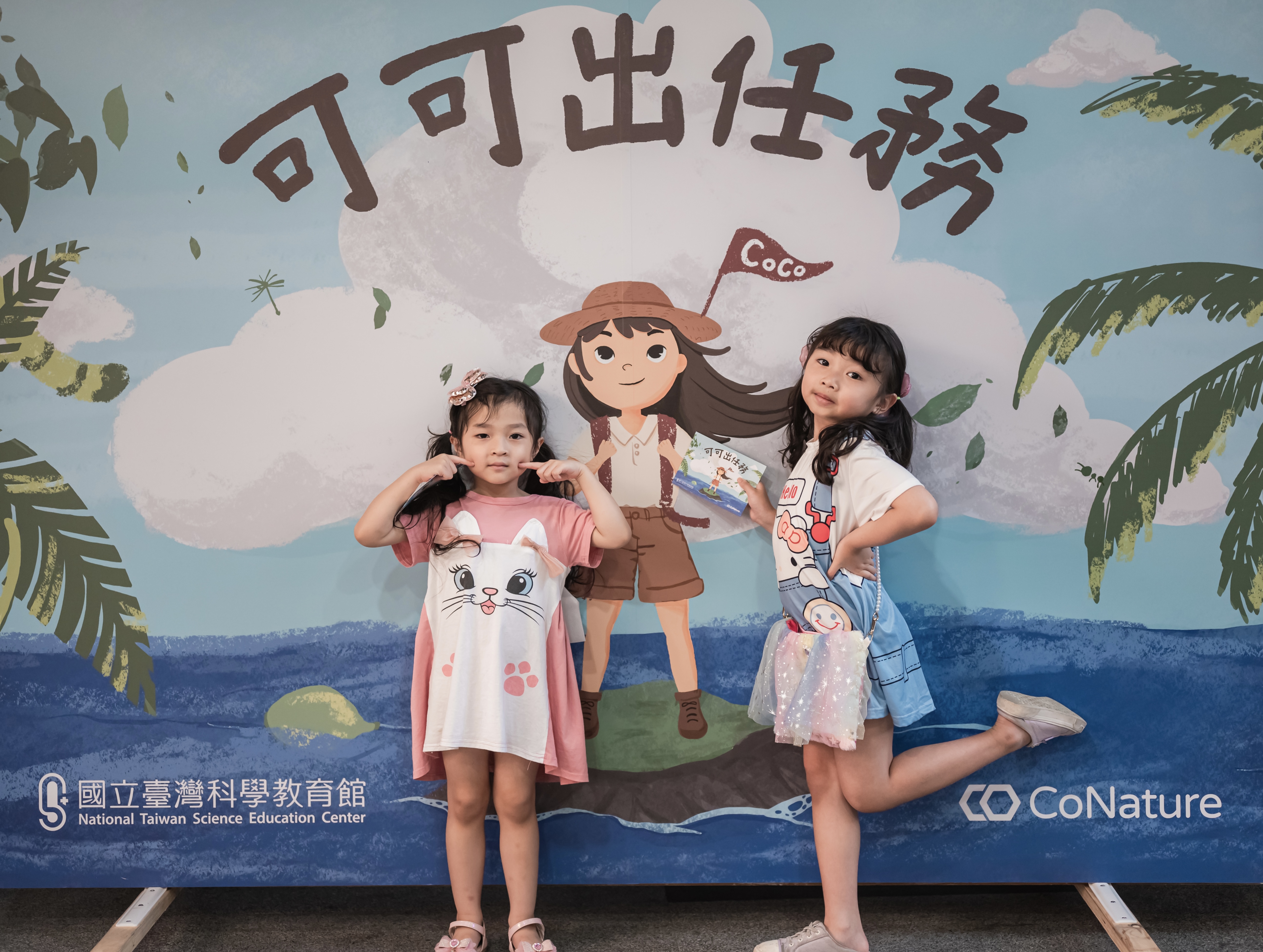
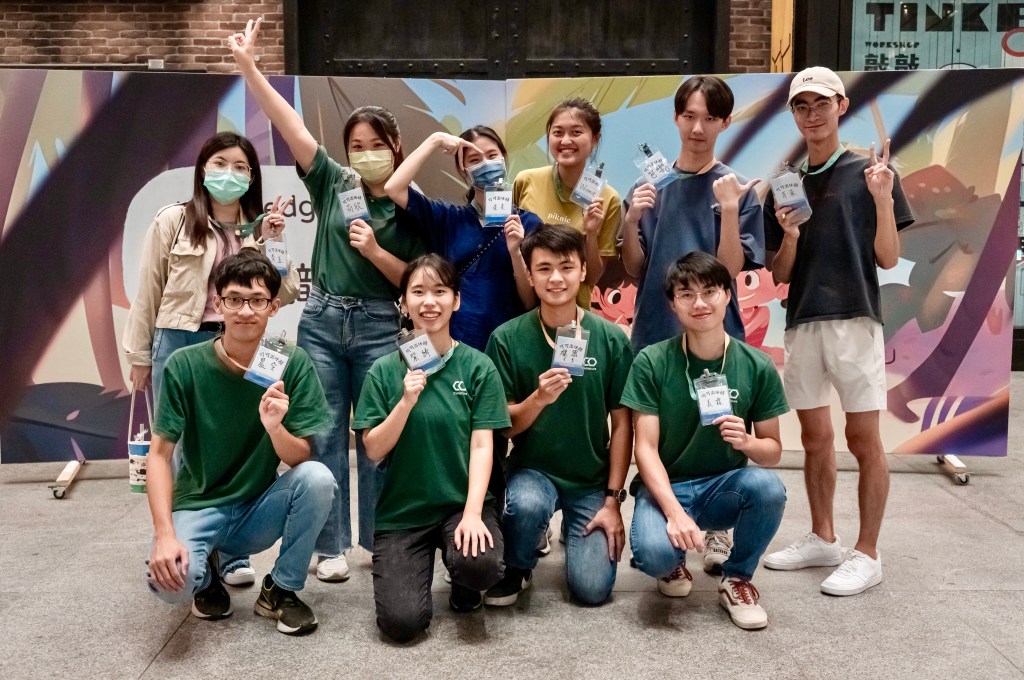
↑ Participants posing with the main visual
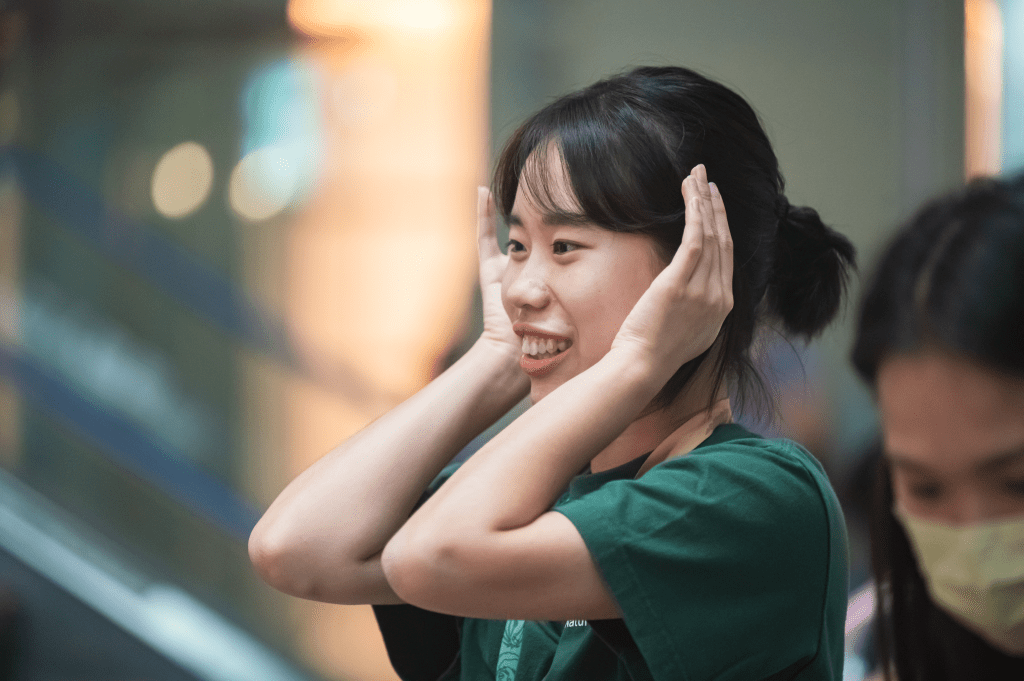
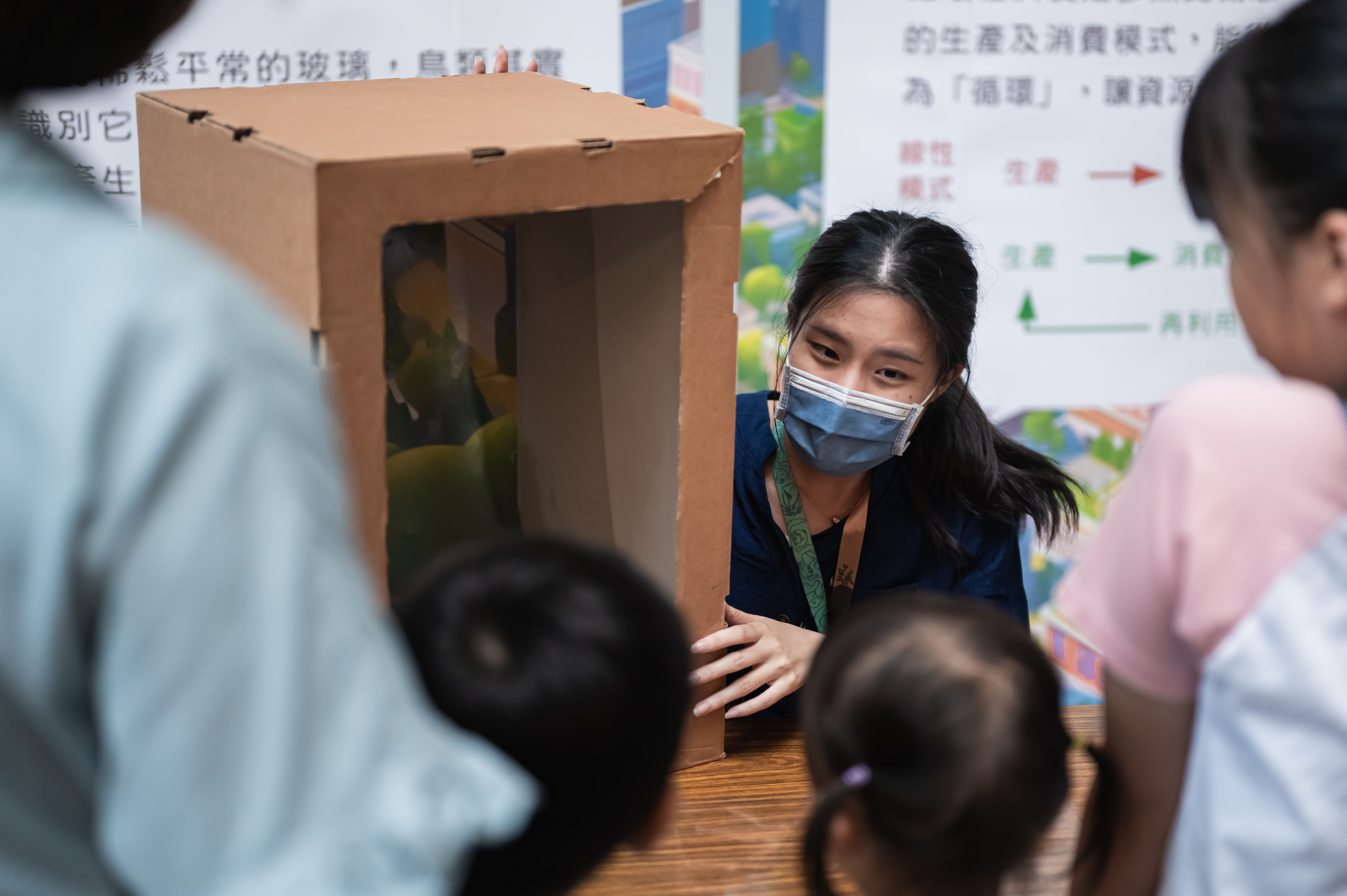
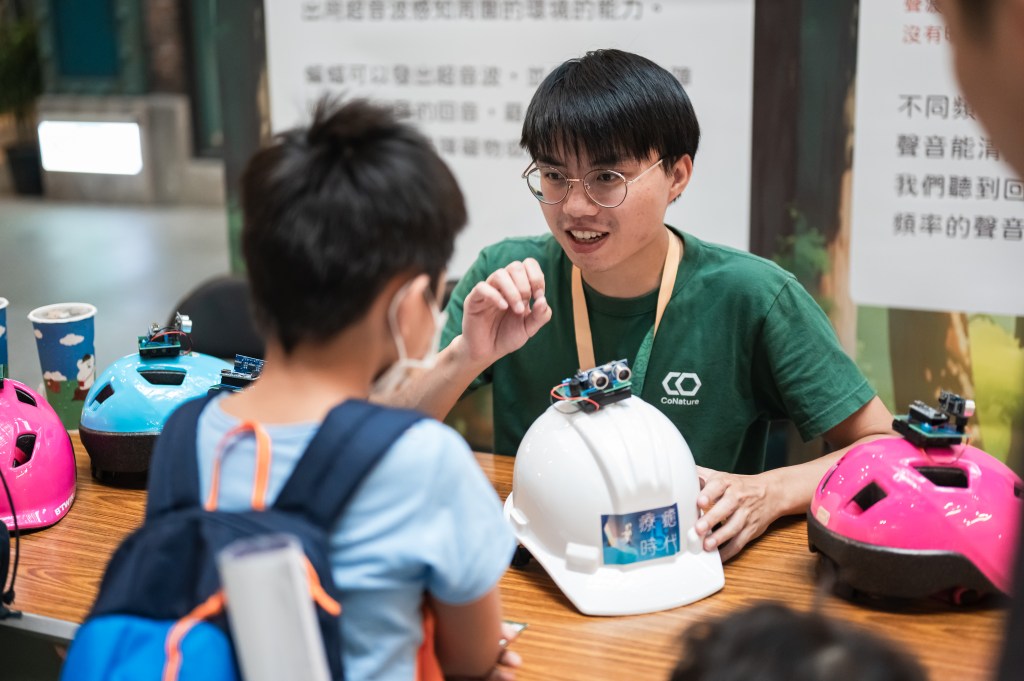
↑ I’m explaining scientific concepts to the kids.
Workshops and Exhibition Dates
Workshop 1: July 09, 2023 (37 parent-child pairs)
Workshop 2: July 23, 2023 (45 parent-child pairs)
Workshop 3: Aug 06, 2023 (23 parent-child pairs)
Exhibition: Aug 20, 2023 (185+ parent-child pairs)
Project Background
During my internship at the National Taiwan Science Education Center (NTSEC), I initiated a collaboration with CoNature, a student-led biomimicry design group I co-founded. Drawing on our shared passion for nature-inspired innovation, I led the effort to bridge our group’s expertise with the museum’s permanent biology exhibits.
Within two months, I spearheaded the development of six interactive workshops and a pop-up exhibition, leveraging my team’s collective resources to make biomimicry concepts approachable and engaging for visitors.
My Role
Project Leader, Learning Experience Designer, Workshop Instructor, Visual Designer
Target Audience & Needs
Target Audience: Science-loving families
Needs: Families visiting the museum on weekends, looking for a fun and interactive way to explore scientific concepts.
Design Highlights
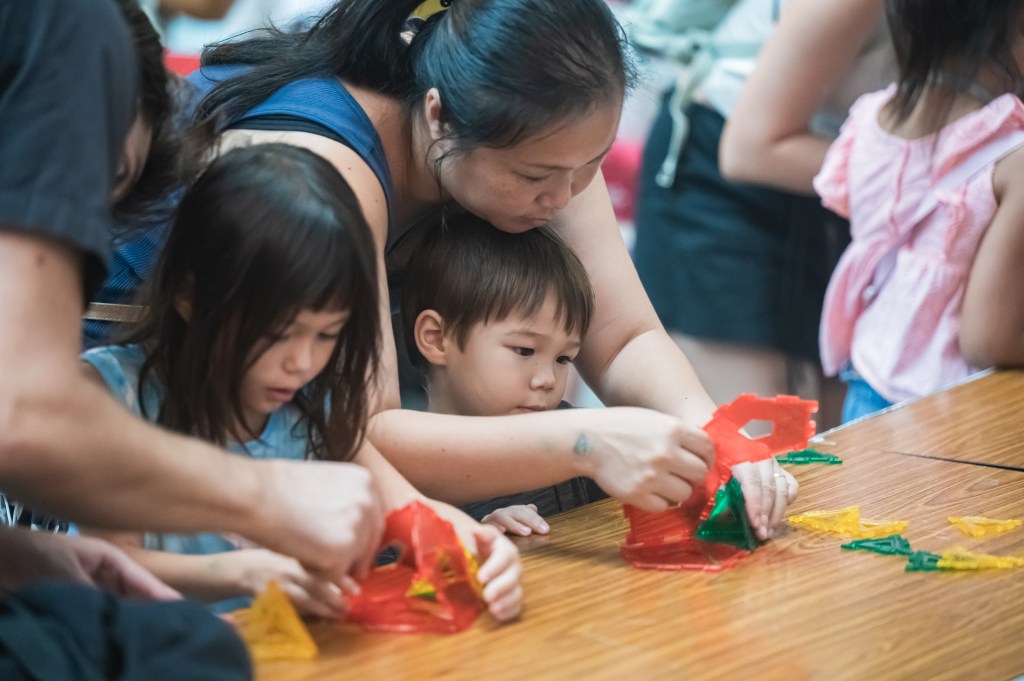
DIY for Deeper Engagement
DIY activities help children absorb concepts through experience. Every workshop and exhibition booth featured interactive DIY elements, with over 80% of participants highlighting them as the most memorable part.
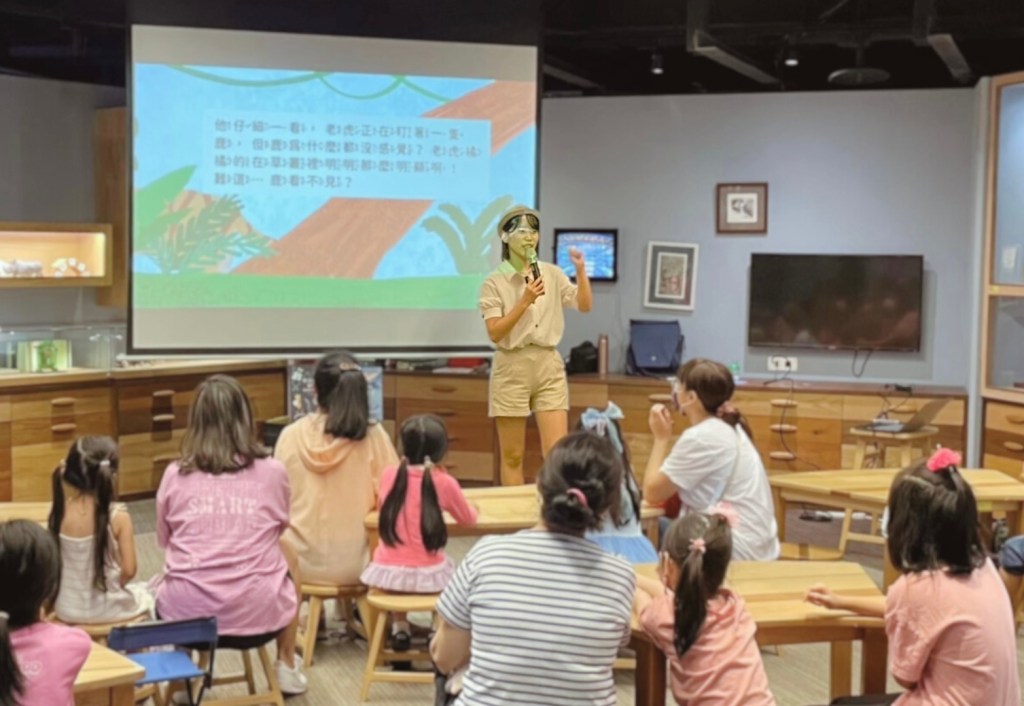
Using a Storybook to Spark Interest
Noticing that storytelling captivates children, I wrote and illustrated Coco on a Mission, a picture book introducing biomimicry and environmental issues. It served as the workshop’s core structure, spanning three sessions with slides and hands-on activities to reinforce learning.
Child-Friendly Communication
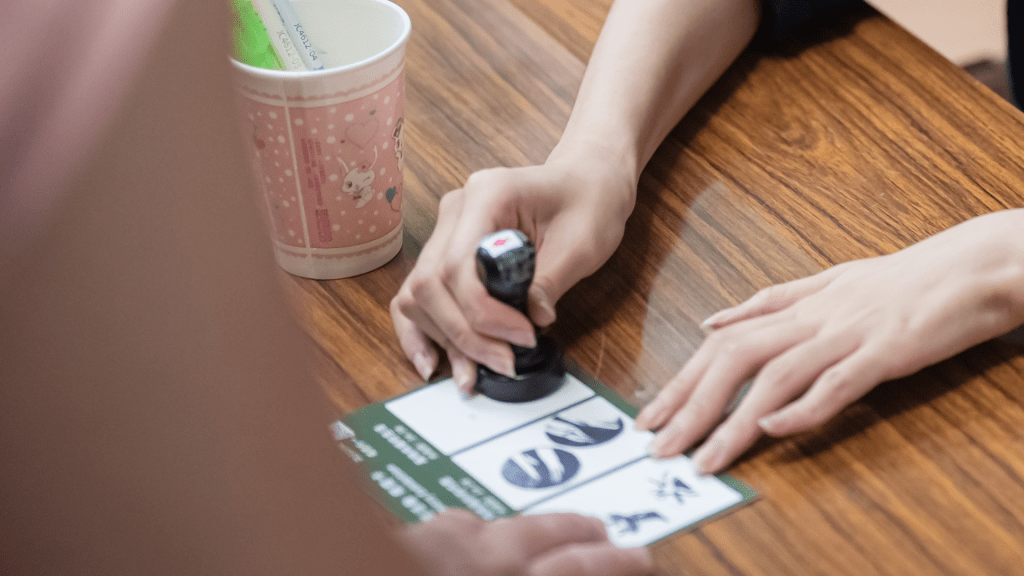
To engage preschoolers, I minimized text and used visuals like smiley face icons ☺︎ for feedback and custom stamps for each station. This made learning intuitive and helped kids recall concepts—many eagerly showed their stamped cards to parents, explaining what they had learned.
Exhibition Visitor Flow & Spatial Planning
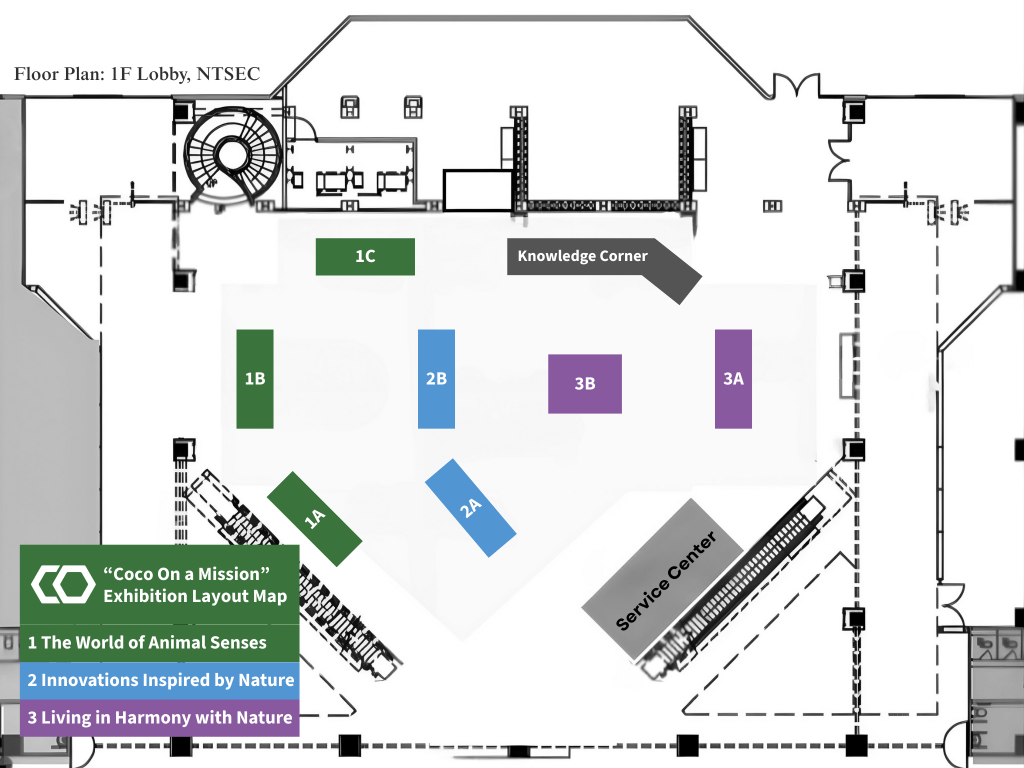
With instantaneous occupancy at the National Taiwan Science Education Center peaking at 800–1,000 visitors, designing a high-capacity experience was critical. To manage this volume across three core themes and seven interactive booths, I focused on optimizing both time and space:
1. Managing Throughput (Time)
To eliminate bottlenecks, we standardized the session time at each station to 5 minutes. This ensured that visitors could engage with both the biomimetic concepts and DIY activities without causing excessive wait times, maintaining a consistent flow throughout the exhibition.
2. Optimizing Spatial Navigation (Space)
I addressed the challenges of the irregular 20m x 20m venue through strategic spatial design:
Maximizing Spatial Utility
By adopting a dual-hexagonal layout inspired by our brand identity, I maximized the usable area within the irregular 20m x 20m venue. This geometry naturally dispersed crowds into three thematic zones, effectively preventing congestion near the hall’s service center and escalators.
Intuitive Way-finding
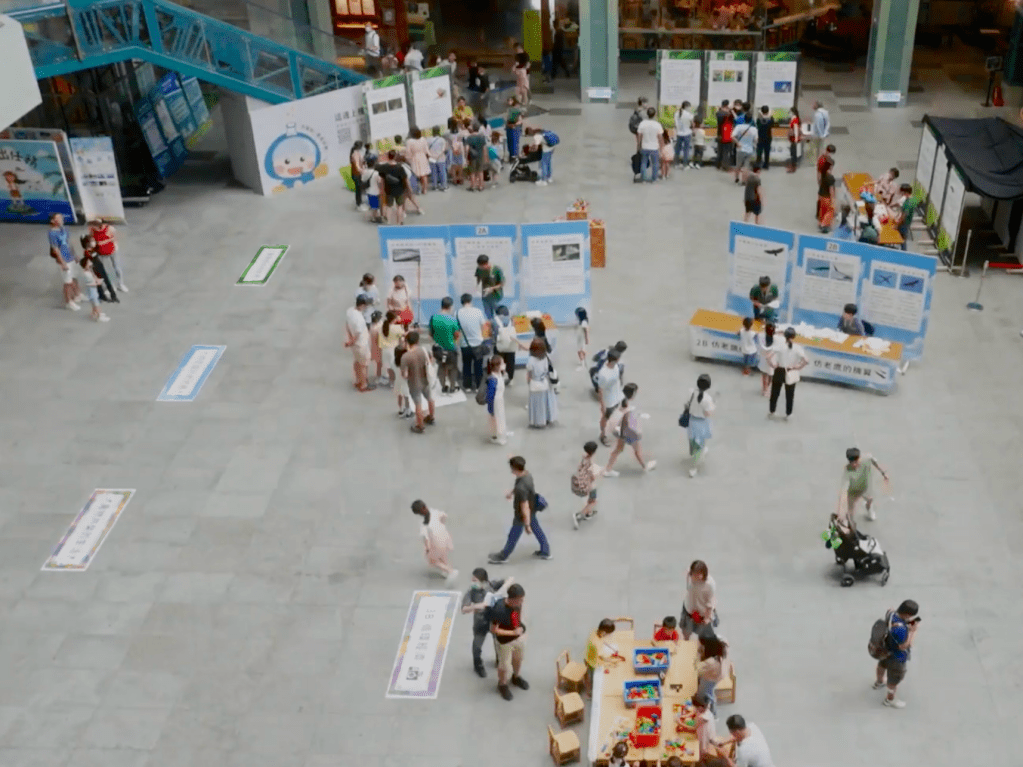
I developed a color-coded guidance system using high-visibility floor decals. By mirroring these colors on the participants’ stamp-collection cards, the cards functioned as personal maps, allowing for a seamless, self-guided journey.
Participant Satisfaction and Feedback
The workshop’s young participants gave an average satisfaction score of 86 out of 100, highlighting the DIY activities and storytelling as their favorite parts.
Visitors to the exhibition gave a Net Promoter Score (NPS) of 83. Here are some comments from parents:
“Fun and educational for both kids and parents!” — kk, Parent
“Engaging activities that make science exciting.” — Tiffany, Parent
“Well-designed and perfect for young learners.” — Burberry, Parent
Afterword & Special Thanks
Reflecting on this journey, I am incredibly grateful for the unwavering support of my wonderful team. Their dedication, eagerness to step forward, and genuine enthusiasm in sharing the wonders of biomimicry with the children truly made all the difference. This project simply wouldn’t have been possible without each and every one of them.
 ee> design